
Student thinking
See what students actually thought and changed once they used AI.
Who it's forUpper-primary and junior-secondary subject teachers

The work students hand in keeps getting more polished, but the question a teacher wants answered is a different one: what did the student actually think? Mark only the finished product and you are marking the tool's output, not the student's reasoning — and you cannot tell whether anything was learned.
The resources in this theme turn thinking into evidence: what the student tried first, which prompts they used, how they checked the answer, and what they changed afterwards. The approach is not to ban AI; it is to require the process to be recorded, so that feedback and marking can rest on the process rather than only the product.
Three resources cover three everyday situations: redesigning a piece of homework, with two before-and-after examples of the same task; a log sheet students fill in as they work; and three ten-minute judgement tasks that show whether students check what AI tells them.
Everything is free to download with no registration and opens in Word or Excel, so you can put your own wording on it. Filter by learning stage and subject below to find the materials that fit a unit you are already teaching.
The resources sit inside the same frame as the rest of the library: the Education Bureau's AI Literacy Learning Framework for Primary and Secondary Schools, under the Blueprint for Digital Education Development in Primary and Secondary Schools. Assessment here works with the framework's learning strands — the basic operating principles of AI, human-machine communication and collaboration, and reflection on the use of AI — and treats the process, not only the finished product, as the evidence, with differentiation for learning diversity and the teacher's professional judgement as the safeguard.
Showing 1–10 of 19 resources
P4-S6 cross-subject: think first, then ask — three lines before the tool
P4-S6 cross-subject: two answers to one question — which is more dependable, and why

S1-S6 humanities: source-trail map — the claim, the source, and how I verified it (a three-cell chain, four verdicts, two independent sources)
P4-S6 all subjects: teach it back — assessed on clarity, not on the answer (a 90-second round, a three-cell clarity card, four clarity standards)

S1-S6 all subjects: a metacognitive log — what I knew, what I asked, what I still cannot do (three columns, four boxes on one page, three minutes in each of four lessons, ten minutes in the fifth)
S1-S6 all subjects: peer critique of one shared AI output — the same five to eight sentences, three sentences each, three comment types, a four-column sheet, one class vote
P4-S6 all subjects: exit tickets an AI cannot answer for you — one sheet, three lines, two minutes, five question types, four piles
P4-S6 mathematics: explain the idea, not the steps — a three-level oral check an AI cannot sit for you (three minutes a pupil, four columns)
P4-S6 all subjects: better questions — three questions an AI answer did not ask (five lines or fewer, three fixed questions, three columns)
S1-S6 Chinese Language: sentence-by-sentence labelling — mine, the tool's, or both (three labels, four columns, three to five sentences)
P4-S6 all subjects: error analysis — when the AI was wrong, how did you find out? (five cells, four error types, three follow-up questions)

P4-S6 Chinese Language: two drafts side by side — what changed and why (three columns, three self-assessment questions, one peer comparison)

P4-S6 Prompt journal: four columns, three levels of questioning and one revision exercise (all subjects)
S1-S6 Think-aloud record: three steps, five boxes and three follow-up questions when an AI helps with a maths problem

P1-S6 School planning: a school AI incident log and reporting template (six columns, three levels, one route)
P1-S6 Class teachers and parents: safeguarding notes for pupils with additional support needs using AI (five principles, four adjustments, a one-page card)
S1-S6 cross-curricular: what AI costs — energy, water and unseen labour, in three clues and a three-column table

S1-S6 cross-curricular: after AI gets something wrong, who has to account for it — five positions, three types of event and a four-column responsibility map

S1-S6 Class teachers and parents: AI, sleep and self-image — five scenario cards, three questions and a one-page unnamed record (two class-teacher lessons)

P1-S6 School planning: what never goes into a prompt — six categories of data, three rewriting methods and a one-page staff checklist

S1-S6 Information Technology: impersonation and AI-assisted scams — four signals and three steps

P4-S6 cross-subject: verify before you share — a three-step check for a screenshot
S1-S6 Visual Arts: copyright and intellectual property in a classroom AI workflow — four stages, five judgements, a one-page use declaration
S1-S3 ICT: audit a recommendation list — three questions, four places, and what the ranking leaves out

S1-S6 Class teachers and parents: talking to a chatbot — five observable signals, a three-step response, a one-page five-column referral flow and a 30-minute class-teacher lesson

P1-P6 Home AI agreement: parent and child set the boundaries together — six boundaries, three situations, a one-page five-column agreement and a page for parents
S1-S6 Visual Arts: likeness and image rights — five judgements, three outcomes, two 60-minute lessons and a one-page image-use declaration
S1-S6 Information Technology: personal-data scenarios pack — five situation cards, three questions each, a four-level ladder and a one-page decision table

S1-S6 cross-subject: the academic integrity declaration — how I used AI on this piece of work (four levels, one page, six columns)

S1-S6 Class teachers and parents: responding to AI-generated harassment — a four-step procedure, three situations and a first-24-hours timeline
P4-S6 cross-subject: the hallucination hunt — a repeatable routine for checking more than one source

P1-S6 School planning: an annual AI review pack (a five-column review table, six evidence categories, three self-evaluation judgements, four points in a cycle)
P1-P3 Class teachers and parents: a supervision guide for junior pupils using generative AI (four settings, five rules, one page for parents)

P1-S6 School planning: a vetting pack for external AI partners and visiting speakers (five one-page forms, three outcomes, four requirements on the day)
P4-S6 Class teachers and parents: a student AI-voice survey and a "what we changed" feedback loop (eight anonymous questions, one page of counts, one page of changes)

P1-S6 All subjects: library and self-study AI provision (four resource categories, three time slots, five rules)
P1-S6 Cross-subject: a scheme-of-work AI literacy mapping template (six columns, three markers, two reviews a term)

P1-S6 School planning: AI planning continuity pack (seven documents, three handover steps, a one-page sign-off)
P1-S6 School planning: whole-school AI risk register and incident response (eight columns, ten risks, three steps)

P1-S6 School planning: AI budget and licensing worksheet (three funding sources, three cost scenarios)
S1-S6 across subjects: assessment-integrity policy (four task categories, one in-class task per subject per term, a four-step process)
P1-S6 across subjects: observing an AI-integrated lesson and giving peer feedback (a one-page six-column record and a 30-minute feedback meeting)

P1-S6 Form teachers: a student AI-use code with a classroom poster set (six rules, three A3 posters, a 30-minute briefing)

P1-S6 School planning: AI tool selection and procurement scoring table
P1-S6 School planning: AI working group terms of reference and the yearly self-evaluation cycle

P1-S6 Form teachers and parents: a parent communication pack on AI use at school

P1-S6 School planning: the teacher AI professional-development ladder and training-hour record

P4-S6 cross-subject: data-minimisation checklist — strip it before you type it

S1-S6 ICT: hidden-instruction safety drill — when a prompt carries more than you wrote

P4-P6 Mathematics: what we throw away — building a broken line graph from official figures

P1-S6 School planning: AI-readiness infrastructure checklist (devices, network, accounts, filtering, storage)

P1-S6 School planning: staff data-handling guide — what may and may not be put into an AI tool
S1-S3 Humanities: street names as evidence, checking an AI's account of their origin
S1-S3 ICT: repair the biased AI (four debugging tasks)

P1-S6 cross-subject AI-literacy coverage audit: which subject teaches which strand, and where the gaps are
S4-S6 History: AI evidence-trail workshop (three classroom tasks)
S1-S3 Where Hong Kong lives: comparing housing choices with a scoring model

S4-S6 Mathematics: teacher-controlled AI hint cards (four levels, never the answer)
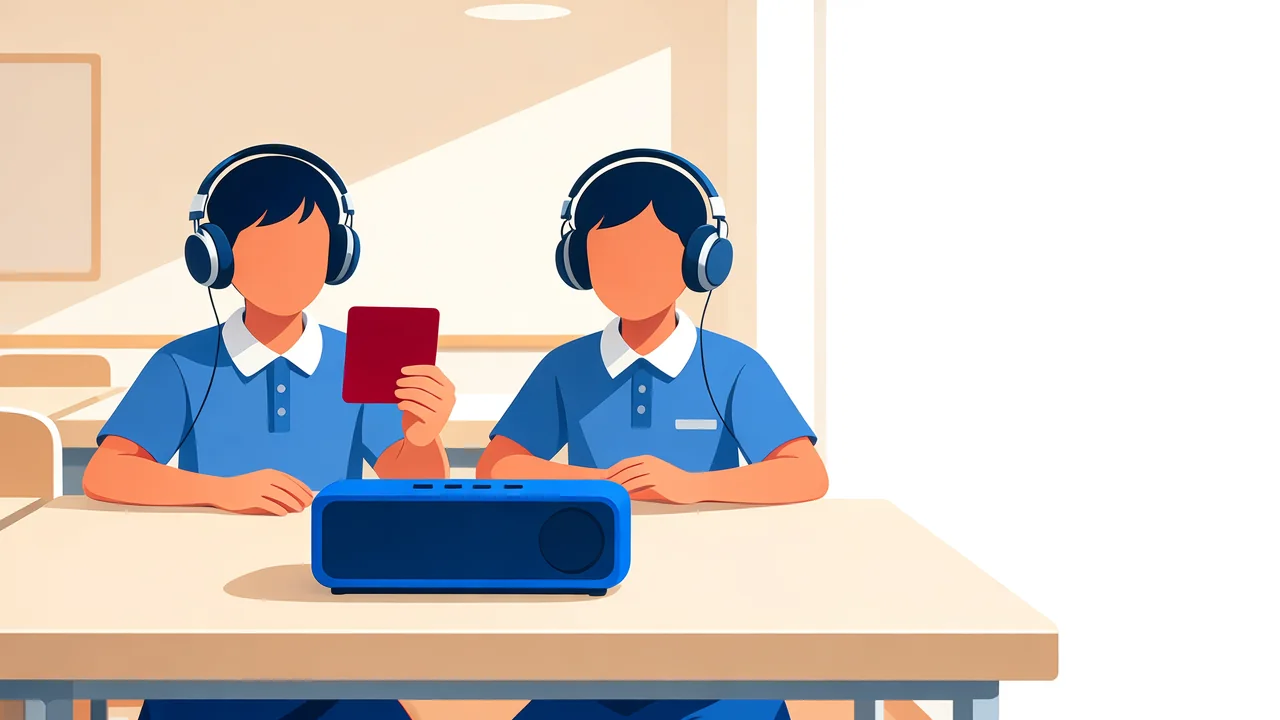
S1-S3 Music: listening and remix pack (describe and rework a musical idea)
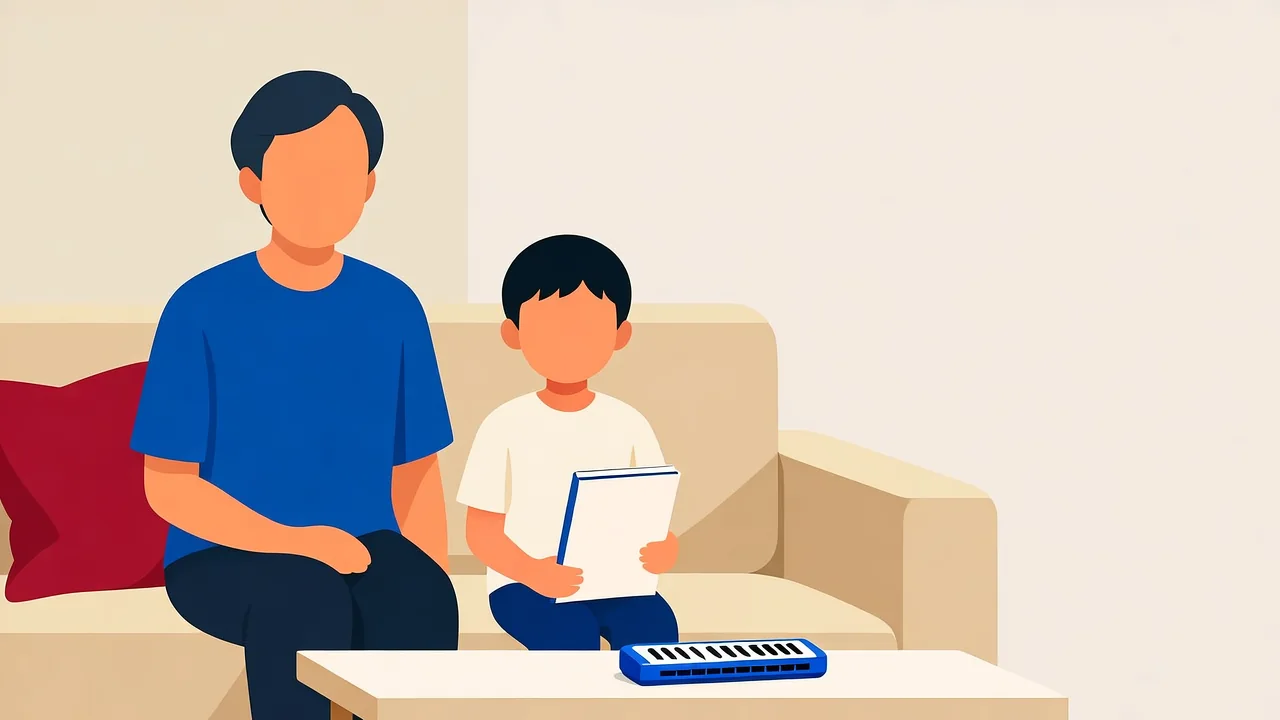
P4-P6 Chinese Language: my story, many voices (interview and record)

P1-S6 School planning: AI-use policy template for staff and students
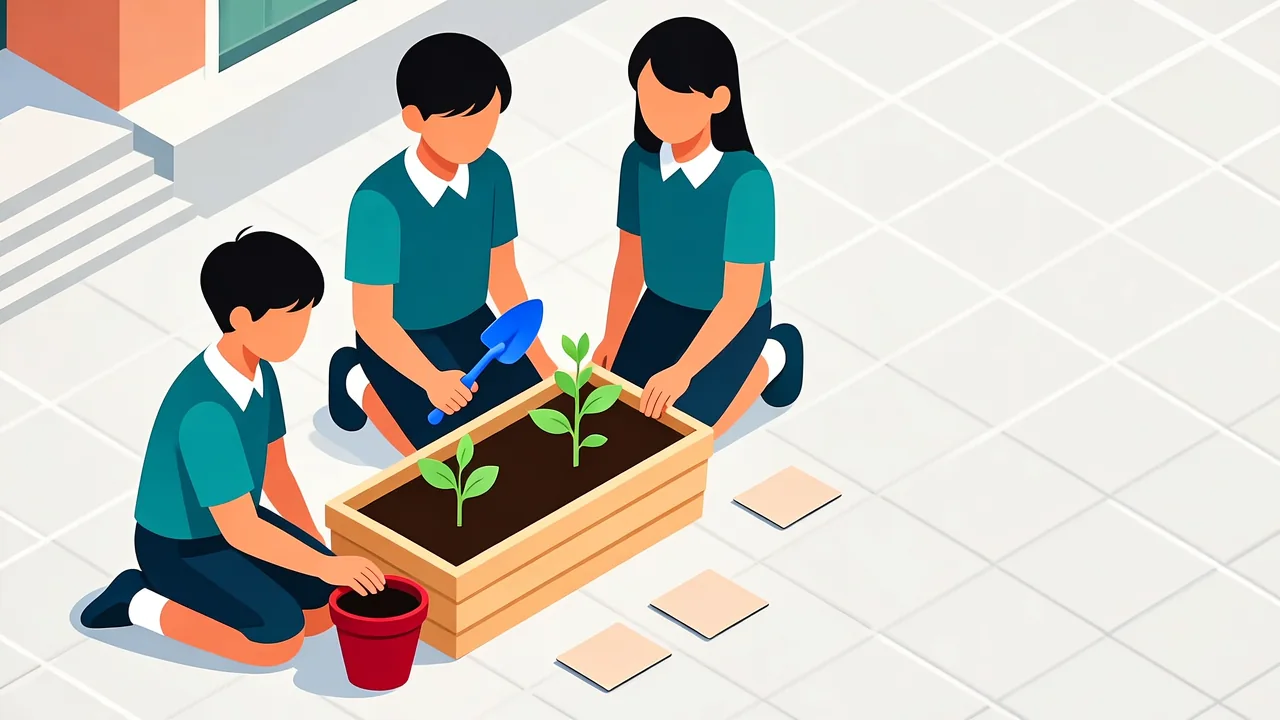
S1-S3 Visual Arts: school garden design sprint (observe, propose, improve)

Whole-staff AI-literacy baseline self-audit and one-term CPD plan (P1-S6)
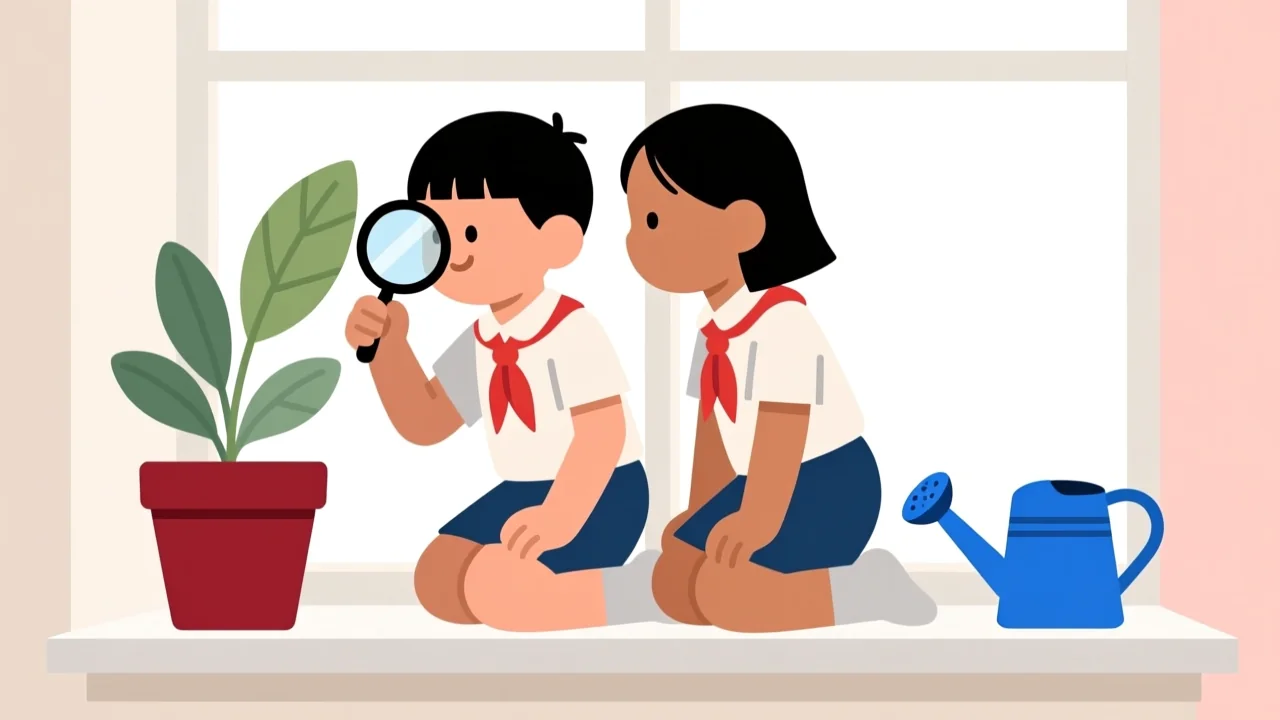
Campus plants: observe first, then check what the AI says (P4-P6)
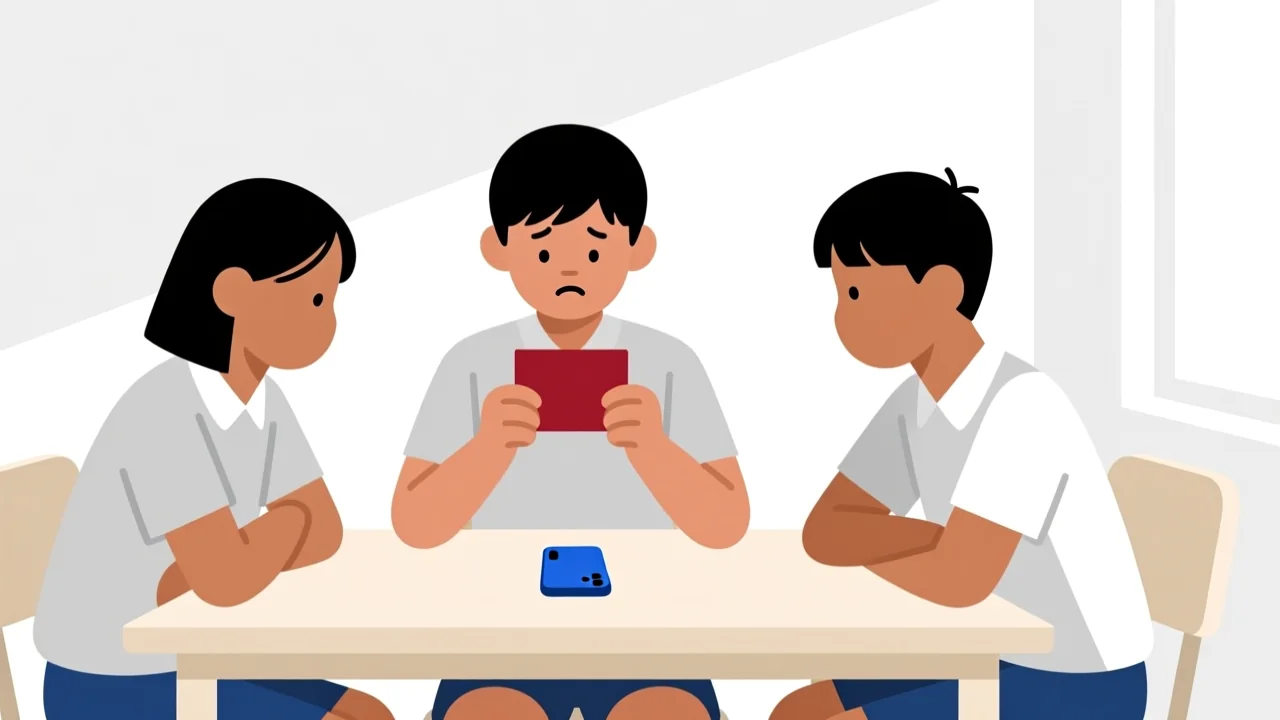
Deepfake response game: pause, check, report (S1-S3)
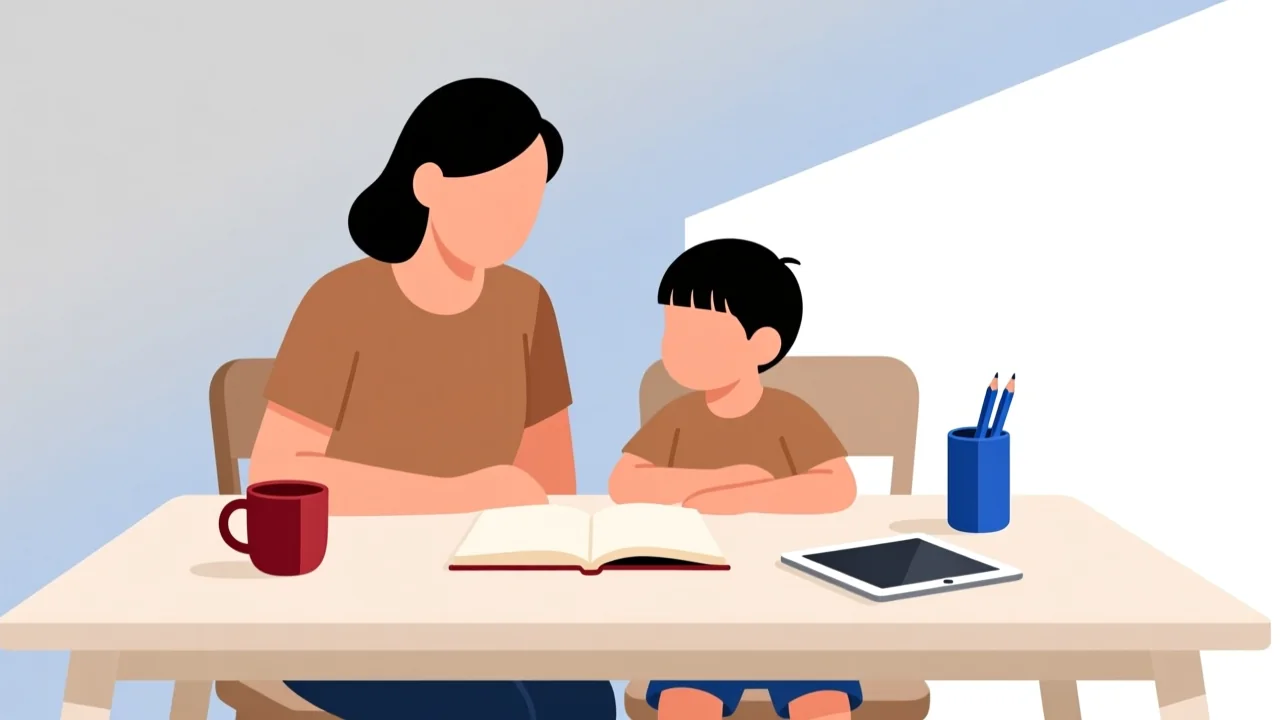
Family AI homework guide: three activities, one agreement, one parent notice (P1-P6)
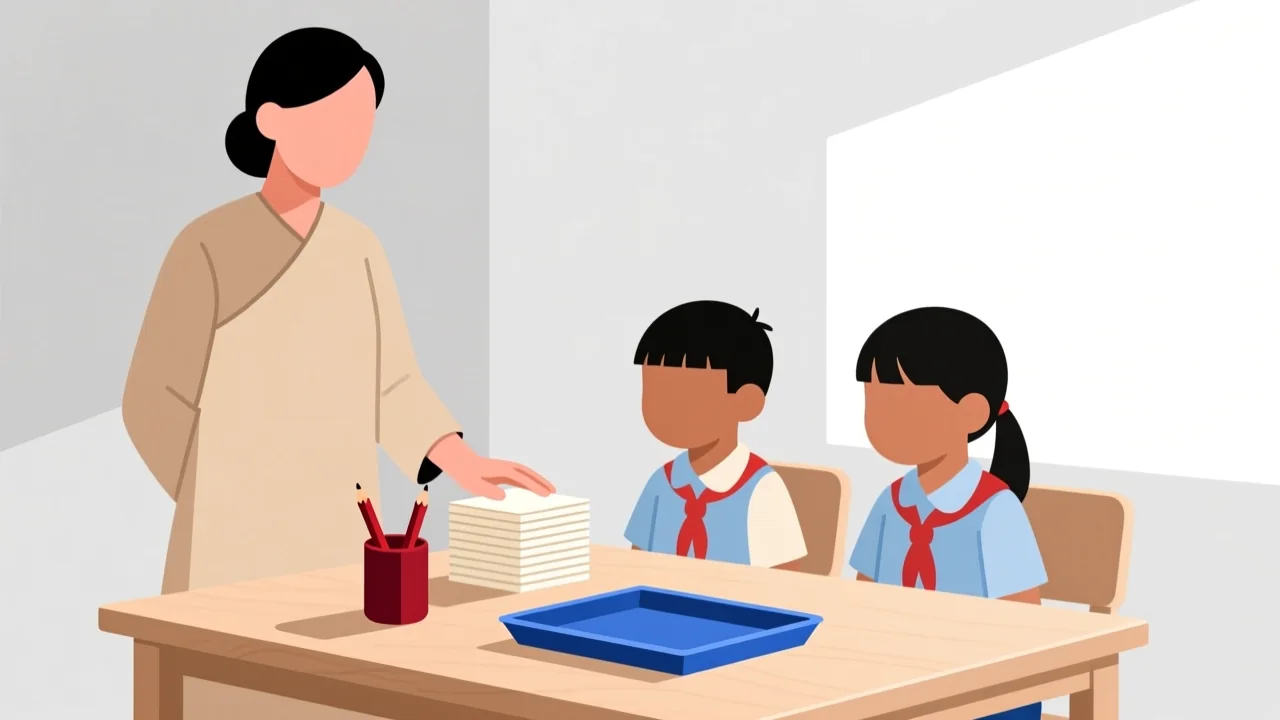
Your first AI lesson: a self-guided kit for P4-P6 teachers who have never taught with AI

Hong Kong then and now: a local history project with an alternative to a family interview (P4-P6)

Homework redesign kit: two before-and-after assignments that show student thinking (P4-P6)

One Humanities worksheet, three versions: standard, scaffolded and visual

One-term AI education plan: editable planning template with a completed school example (P1-S3)

P4-P6 curriculum gap map: where AI literacy already fits your subjects
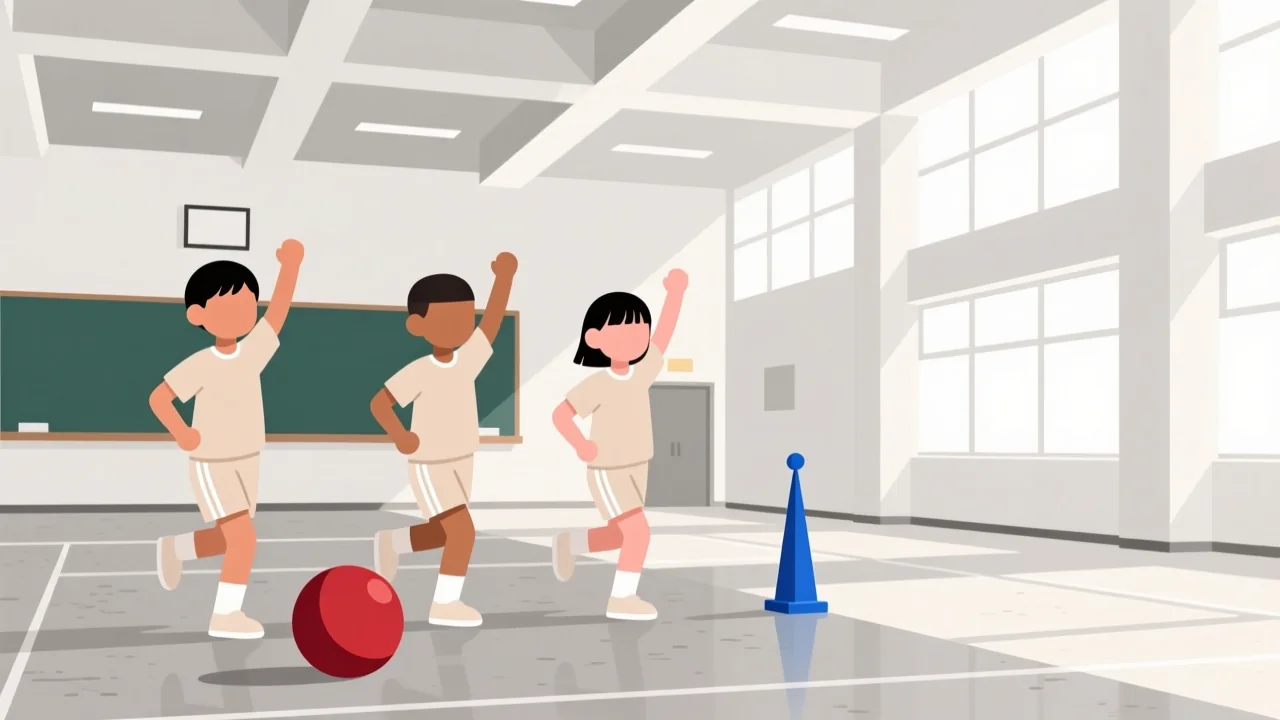
P1-P3 cross-subject: two screen-free AI games (no devices needed)
Ten-minute AI judgement checks: three quick formative tasks for P4-P6

P4-P6 Hong Kong population line graph: check an AI explanation

Safe-to-upload rehearsal: find and remove pupil information before using AI (P4-P6)

Student AI-use process sheet: first attempt, prompt, check, revise (P4-P6)
No resources match these filters. Try widening or clearing them.
Frequently asked questions
How can I tell whether a student used AI for their homework?
You usually cannot tell from the finished product. The practical move is to shift the question from whether AI was used to whether it was used well: ask students to record their first attempt, the prompts they used, how they checked the answer, and what they revised. The AI use log sheet exists for exactly that, and one page changes what the task is really assessing.
How should a homework task be redesigned?
The homework redesign kit gives two before-and-after examples of the same task, showing how to turn a task that asks only for an answer into one that also asks for the reasoning, the checking steps and the revision. Change the marking criteria at the same time as the task, or students will still hand in only the final answer.
We have no extra lesson time. How do we teach students to check AI?
Treat it as formative assessment rather than a new unit. The ten-minute AI judgement tasks are three activities that fit inside a single lesson, so students practise spotting claims that are doubtful or need verifying as part of the subject work they are already doing.
What criteria should we use when assessing work done with AI?
Include the process: whether the student can explain the prompts and reasoning, whether they can identify what in the AI's answer is uncertain or possibly wrong, and whether they revised after checking. The templates in this theme are laid out around those points and can be rewritten as your own marking notes.
Will parents think the school is going easy on AI use?
It is a common concern, and it is answered by consistency between home and school. The family AI homework guide (in the Responsible and safe AI use theme) contains a letter home and a family agreement explaining why the school asks students to record their process; send it together with the log sheet.
Browse by theme

School planning
Turn the AI literacy framework into a realistic term plan, and see curriculum coverage and gaps.

Responsible AI use
The practical decisions at school and at home: pupil data, privacy and home-school communication.

Hong Kong inquiry
Local Hong Kong inquiry activities that fit existing subjects — and checking what AI says.
First & inclusive lessons
Lessons you can start with the equipment you already have and modest preparation.