
Resources for students
Worksheets, steps and record sheets you can use yourself for a project — and for checking what an AI told you.

This page collects the resources you can use yourself: for checking what an AI tells you, for recording how you used it, and for working through a project step by step with a record sheet and a worksheet. These are not explanations for a teacher or a parent — they are the pages you actually write on.
An AI can give you an answer very quickly, but quick does not mean accurate. Sometimes it does not say where a number came from, and sometimes it states something uncertain in a way that sounds certain. The resources here practise one thing: ask for the source first, then compare it with official data, then write down the conclusion you checked yourself.
Not sure where to begin? Before a maths or science project, start with the student AI use process sheet, which records your first attempt, the prompts you used, what you checked and what you changed; to hunt for an AI's mistakes, use the ten-minute AI judgement checks; and for a Hong Kong project such as population or then-and-now local history, the steps and marking schemes are ready to follow.
Everything is free and needs no registration. Attachments can be printed or filled in on a computer, and the worksheets and record sheets are written so they can be handed in as they are. If one of them is not clear, tell us through the feedback form at the bottom of the page.
The tasks come from the Education Bureau's AI Literacy Learning Framework for Primary and Secondary Schools, within its Blueprint for Digital Education Development in Primary and Secondary Schools. They practise the framework's learning strands — the basic operating principles of AI, human-machine communication and collaboration, and reflection on the use of AI — and ask you to check data and evidence yourself, at your own learning stage, so that using AI stays a responsible, human-led habit rather than an answer machine. Teachers look for the same habits in their assessment, across classes with wide learning diversity, and they hold to the values the documents set out — literacy first and technology for good.
Showing 1–10 of 15 resources

P4-S6 cross-subject: data-minimisation checklist — strip it before you type it
S1-S6 ICT: hidden-instruction safety drill — when a prompt carries more than you wrote
S1-S3 Where Hong Kong lives: comparing housing choices with a scoring model

P4-P6 Hong Kong population line graph: check an AI explanation
P4-P6 Mathematics: what we throw away — building a broken line graph from official figures

P1-S6 School planning: AI-readiness infrastructure checklist (devices, network, accounts, filtering, storage)

P1-S6 School planning: staff data-handling guide — what may and may not be put into an AI tool
S1-S3 Humanities: street names as evidence, checking an AI's account of their origin
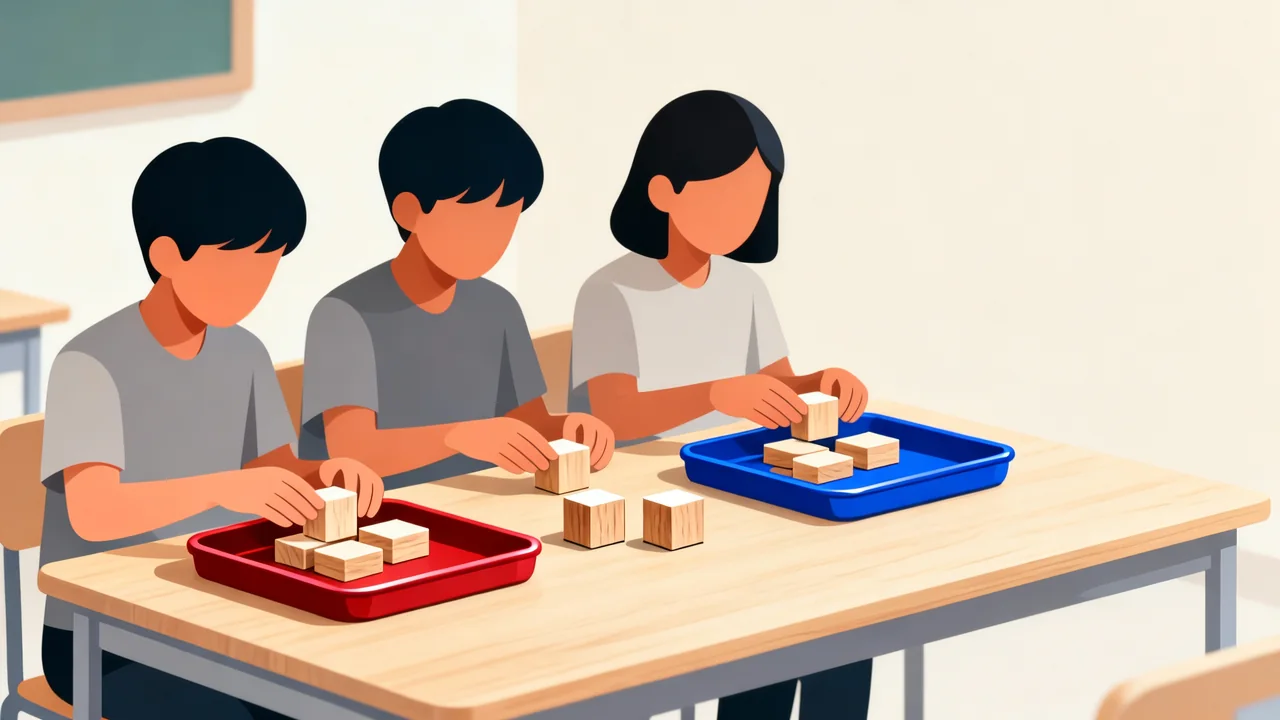
S1-S3 ICT: repair the biased AI (four debugging tasks)

P1-S6 cross-subject AI-literacy coverage audit: which subject teaches which strand, and where the gaps are
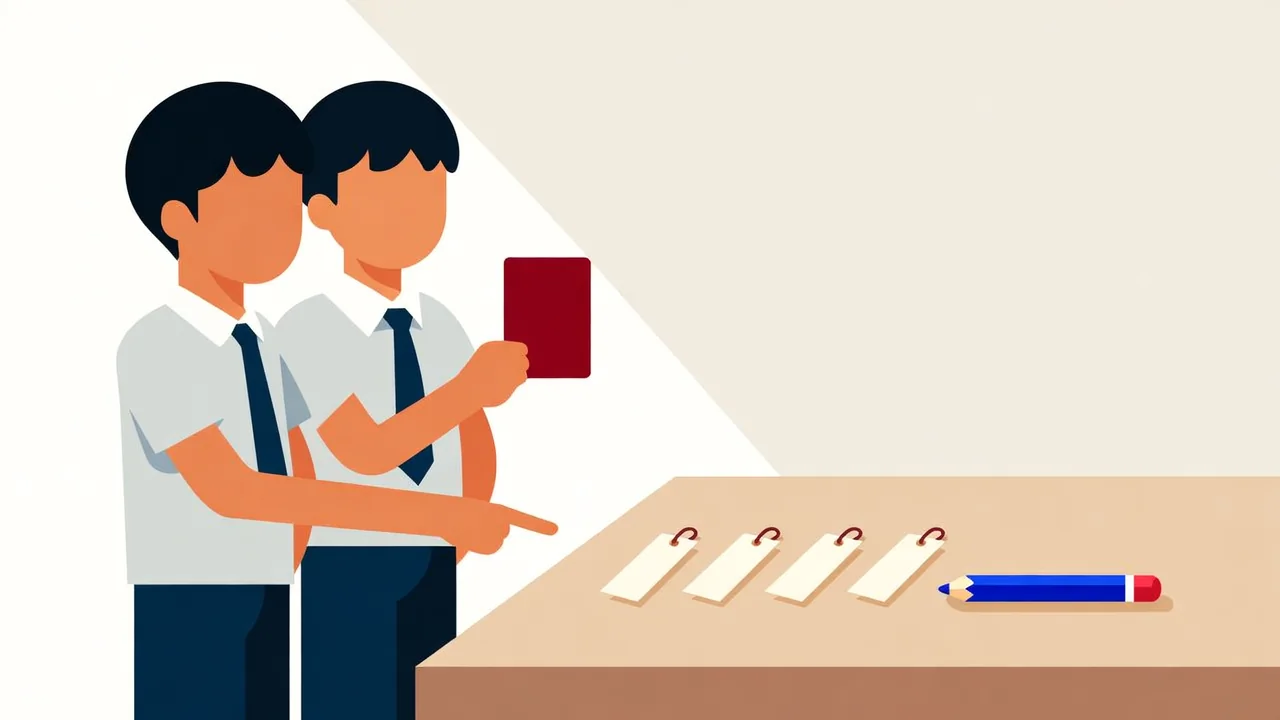
S4-S6 History: AI evidence-trail workshop (three classroom tasks)

S4-S6 Mathematics: teacher-controlled AI hint cards (four levels, never the answer)
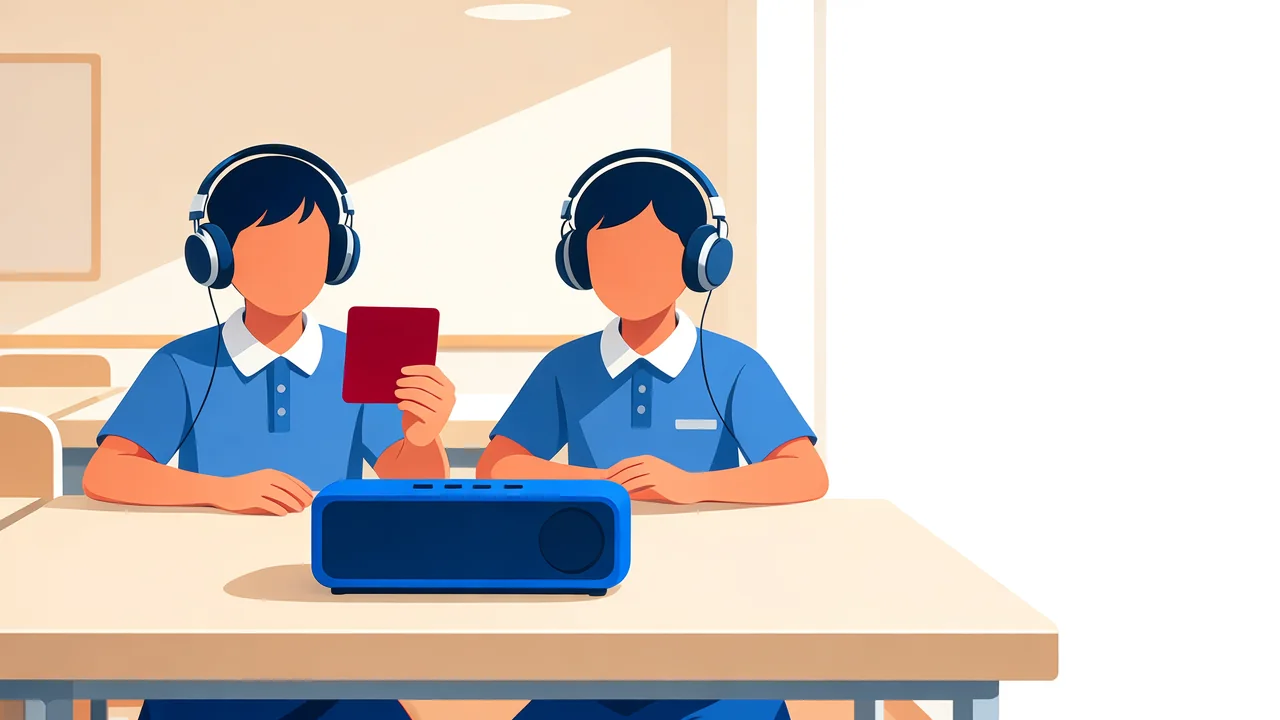
S1-S3 Music: listening and remix pack (describe and rework a musical idea)
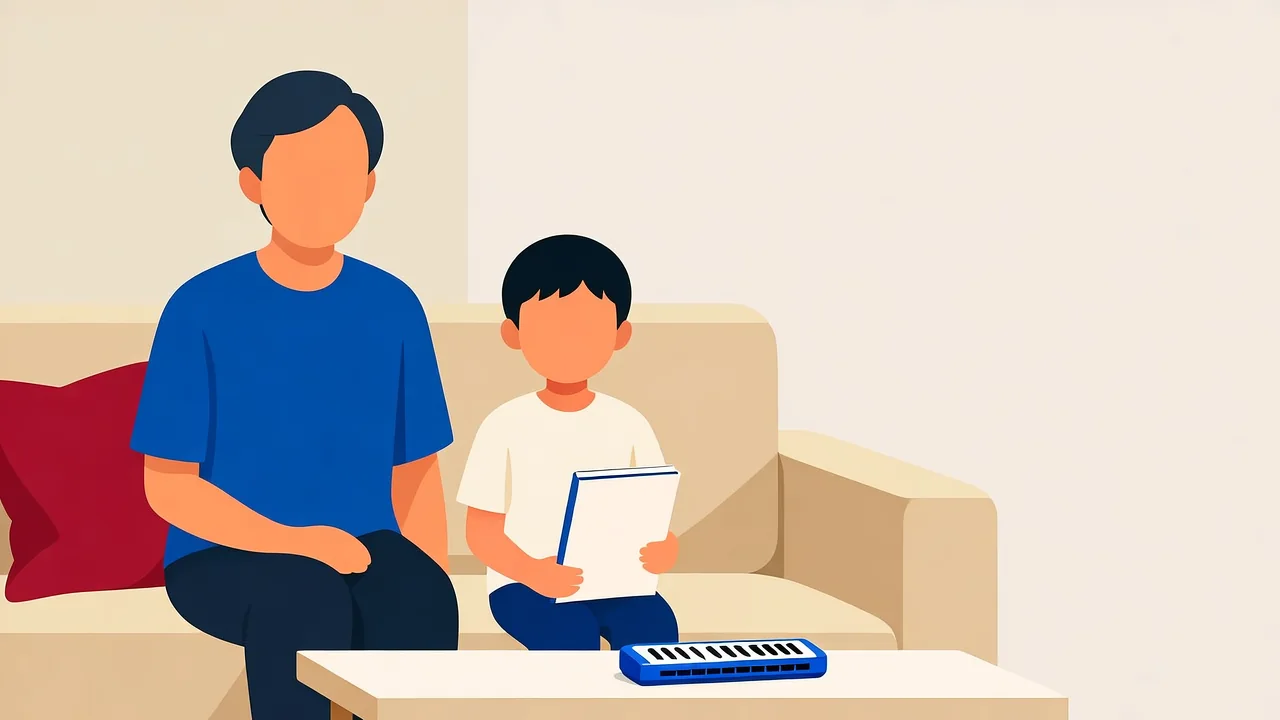
P4-P6 Chinese Language: my story, many voices (interview and record)

P1-S6 School planning: AI-use policy template for staff and students
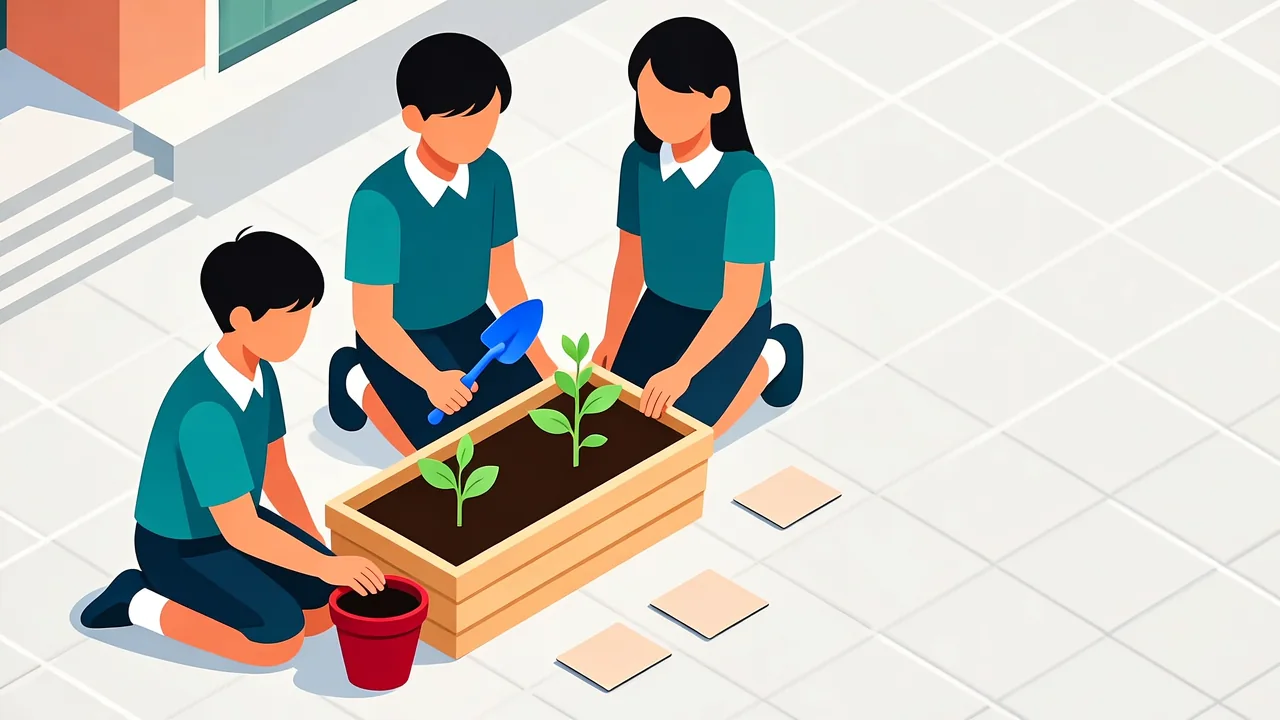
S1-S3 Visual Arts: school garden design sprint (observe, propose, improve)

Whole-staff AI-literacy baseline self-audit and one-term CPD plan (P1-S6)
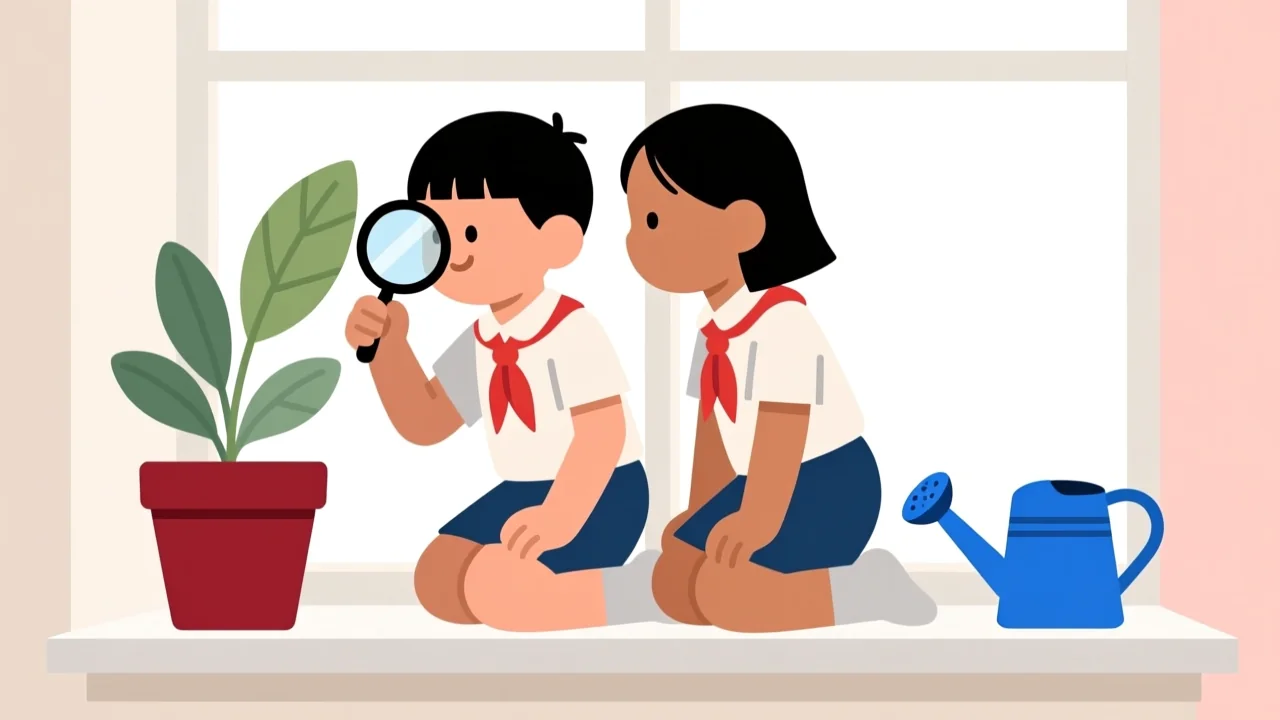
Campus plants: observe first, then check what the AI says (P4-P6)
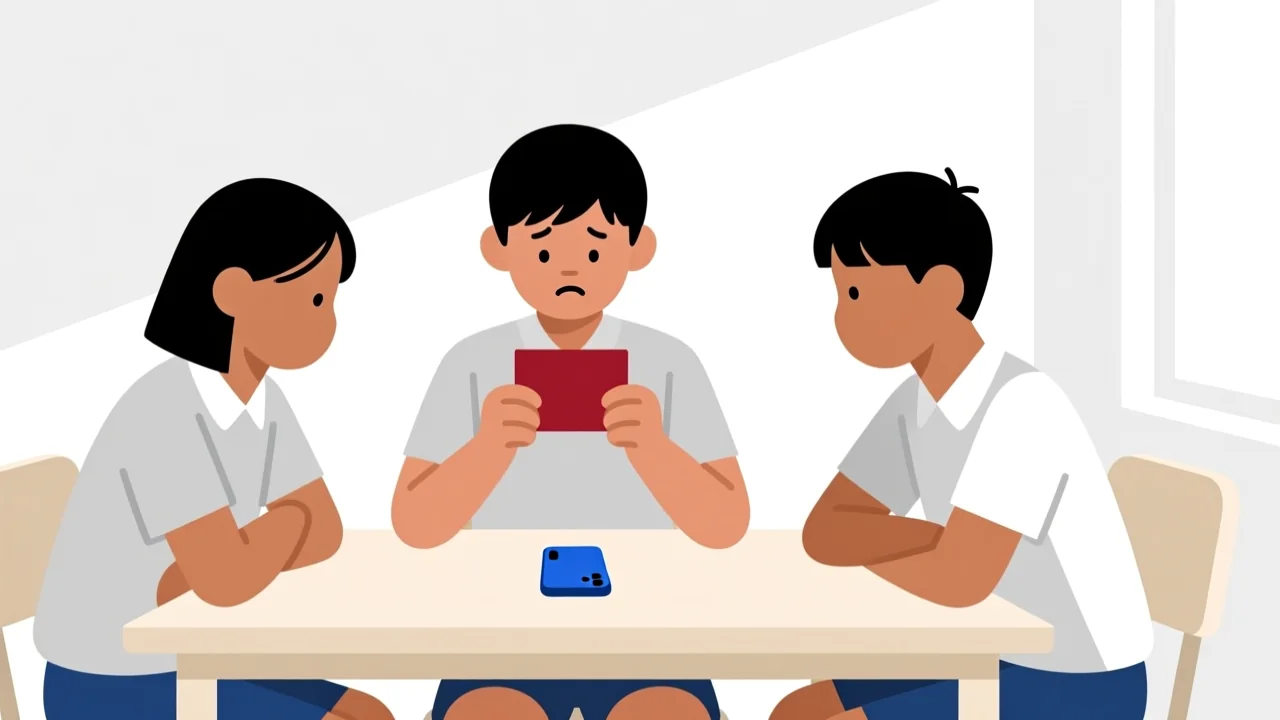
Deepfake response game: pause, check, report (S1-S3)
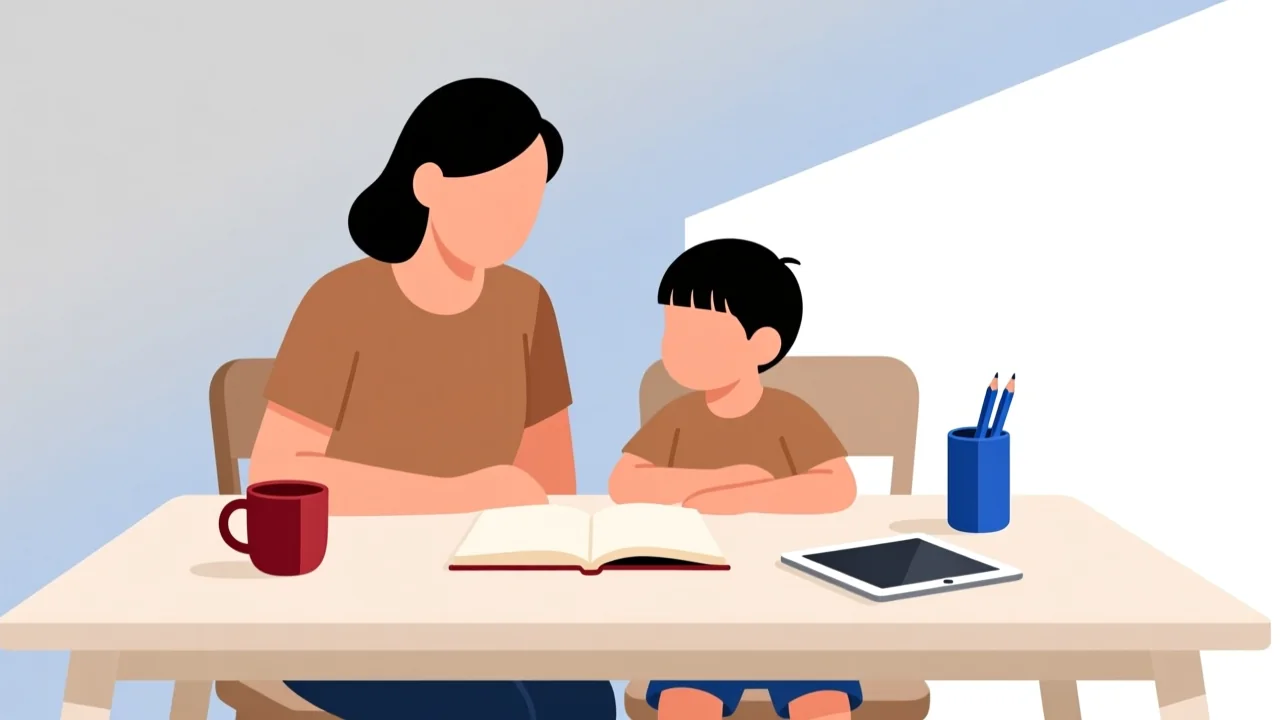
Family AI homework guide: three activities, one agreement, one parent notice (P1-P6)
Your first AI lesson: a self-guided kit for P4-P6 teachers who have never taught with AI
Hong Kong then and now: a local history project with an alternative to a family interview (P4-P6)
Homework redesign kit: two before-and-after assignments that show student thinking (P4-P6)
One Humanities worksheet, three versions: standard, scaffolded and visual

One-term AI education plan: editable planning template with a completed school example (P1-S3)

P4-P6 curriculum gap map: where AI literacy already fits your subjects
P1-P3 PE: two screen-free AI games (no devices needed)
Ten-minute AI judgement checks: three quick formative tasks for P4-P6
Safe-to-upload rehearsal: find and remove pupil information before using AI (P4-P6)

Student AI-use process sheet: first attempt, prompt, check, revise (P4-P6)
No resources match these filters. Try widening or clearing them.
Frequently asked questions
Do I need an account or a payment to use these?
No. Everything is free to download, with no registration and no hidden charge. Attachments can be printed or filled in on a computer, and some record sheets come as spreadsheet files so you can reuse them.
How do I know whether an AI answer is trustworthy?
Build three habits. First, ask it for a source. Second, take the number or the claim it gave you and compare it with official data, such as figures from the Census and Statistics Department. Third, write down the part you checked yourself. A confident sentence with no source is unconfirmed, not a fact.
Is this material published by the EDB?
No. This is an independent resource initiative by Beets Limited and not an official EDB publication. We turn the content of official documents such as the AI Literacy Learning Framework for Primary and Secondary Schools into steps a student can use directly, and each resource names the document it draws on.
Can I hand in the record sheet I filled in?
Yes. The worksheets and the process sheet are written as classwork or homework, so a teacher can see your first attempt, how you checked it and what you changed. If you are unsure which page to use, ask your teacher.
May I share the files with classmates?
Yes — the resources may be used and adapted for teaching, so please keep the attribution. Sharing the link with classmates is better than sending the file, because they will get the current version.
Browse by audience

Teachers
Lesson plans, worksheets and school-planning examples, with answer keys and sources.
Parents
How to guide and check AI homework at home — from a parent notice to a family homework agreement.