For teachers, parents and students · no registration to download
Free AI education resources for Hong Kong
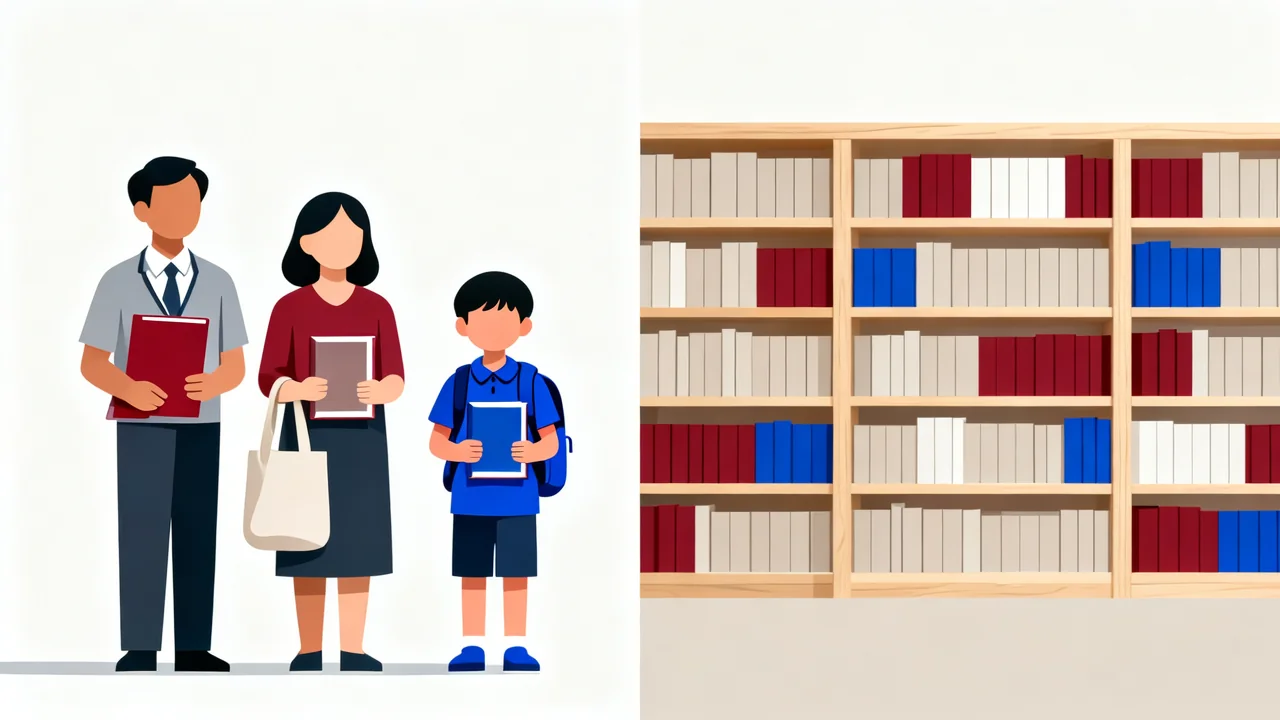
Beets AI is a free library of AI education resources that Beets Limited builds for Hong Kong teachers, parents and students. We believe learning to use AI well should not depend on how much a school can budget for it, or on how much a parent knows about technology — so we turn the lesson plans, worksheets and planning examples teachers actually ask for into materials you can download and use straight away. Everything is free, and nothing needs registration.
Whether you are a teacher running your first AI lesson tomorrow, a parent working out how your child should use AI for homework, or a student looking for material for a project, you can search by subject, learning stage or the difficulty you are facing — and find something you can use today. Every resource names the official document it draws on and its version, and says what problem it solves. The library is written around the Education Bureau's AI Literacy Learning Framework for Primary and Secondary Schools, within the Blueprint for Digital Education Development in Primary and Secondary Schools. It covers the framework's three learning strands — the basic operating principles of AI, human-machine communication and collaboration, and reflection on the use of AI — from junior primary through upper primary, junior secondary and senior secondary, and supports teaching and learning, assessment and learning diversity, with the guiding principles of nurturing the whole person, literacy first, application-oriented use and technology for good.
Start from what you need

Teachers
Lesson plans, worksheets and school-planning examples, with answer keys and sources.

Parents
How to guide and check AI homework at home — from a parent notice to a family homework agreement.

Students
For projects and for checking what an AI tells you: find worksheets and steps by subject and learning stage.
Five themes
Pick the theme that matches your work at school. Each one is a growing queue of resources.

School planning
Turn the AI literacy framework into a realistic term plan, and see curriculum coverage and gaps.

Responsible AI use
The practical decisions at school and at home: pupil data, privacy and home-school communication.

Student thinking
See what students actually thought and changed once they used AI.

Hong Kong inquiry
Local Hong Kong inquiry activities that fit existing subjects — and checking what AI says.
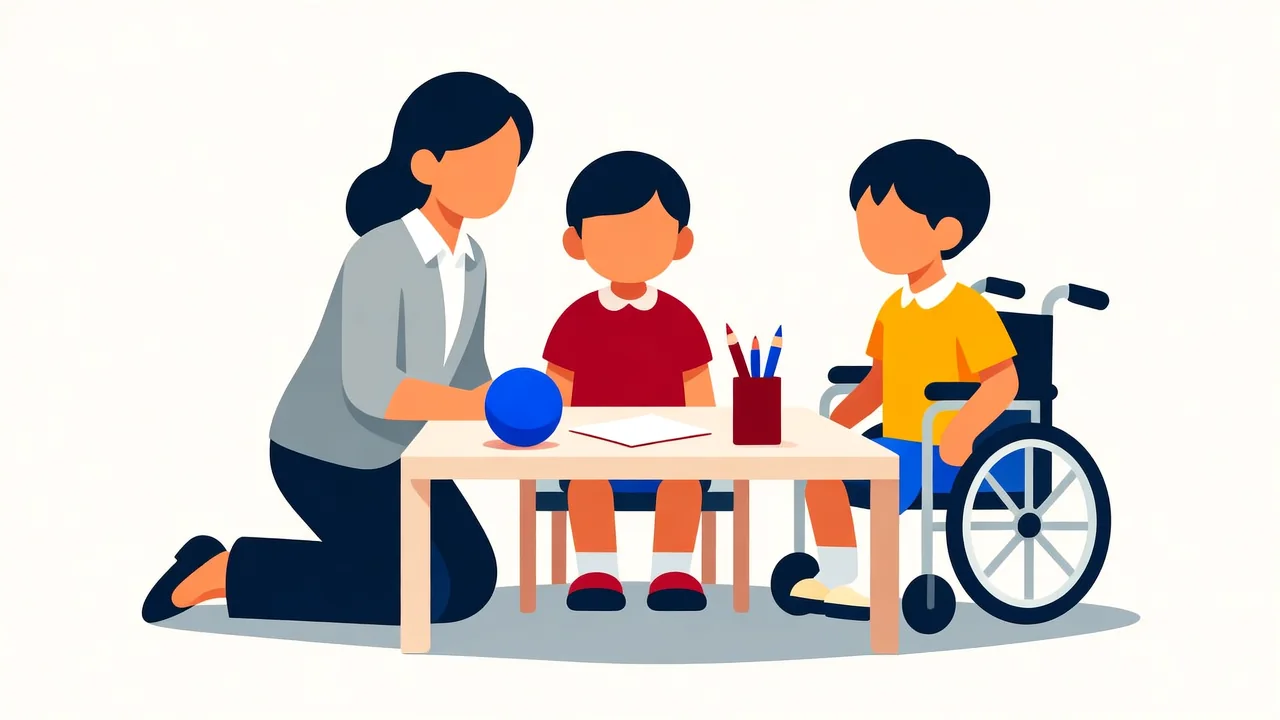
First & inclusive lessons
Lessons you can start with the equipment you already have and modest preparation.
Newest resources
More resources
P4-S6 cross-subject: think first, then ask — three lines before the tool
P4-S6 cross-subject: two answers to one question — which is more dependable, and why

S1-S6 humanities: source-trail map — the claim, the source, and how I verified it (a three-cell chain, four verdicts, two independent sources)
P4-S6 all subjects: teach it back — assessed on clarity, not on the answer (a 90-second round, a three-cell clarity card, four clarity standards)

S1-S6 all subjects: a metacognitive log — what I knew, what I asked, what I still cannot do (three columns, four boxes on one page, three minutes in each of four lessons, ten minutes in the fifth)
S1-S6 all subjects: peer critique of one shared AI output — the same five to eight sentences, three sentences each, three comment types, a four-column sheet, one class vote
Can't find what you need?
Tell us the lesson you are preparing and we will prioritise it. Downloading never needs registration.
Request a resource